Introducing CredTrack: Real-Time Visibility Into Your Credentialing

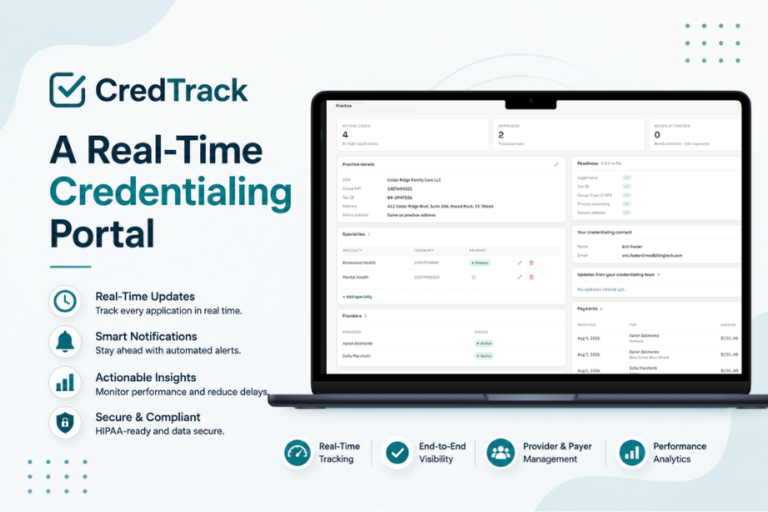
Introducing CredTrack: Real-Time Visibility Into Your Credentialing

Credentialing is usually a black box. You submit applications, hand off documents, then wait with no clear view of where anything stands. CredTrack changes that: a real-time credentialing portal with live application status, renewal reminders, secure document storage, and a full audit trail, free with every MedBillingTech credentialing engagement.
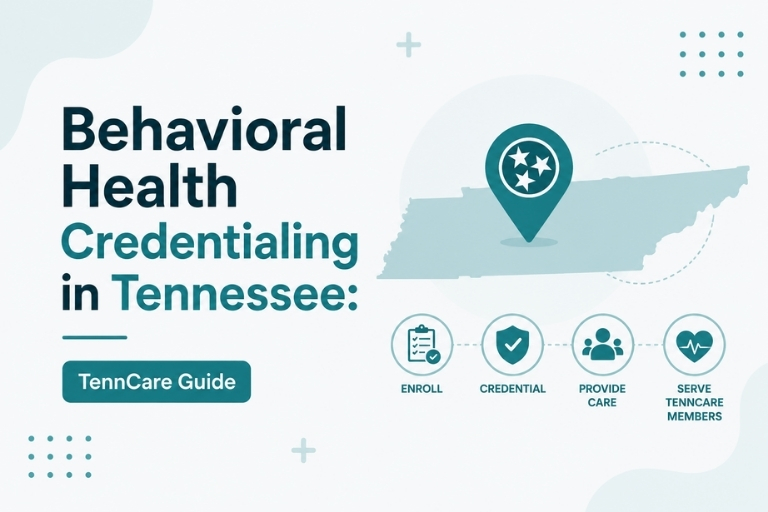
Behavioral Health Credentialing in Tennessee: TennCare and Commercial

Behavioral Health Credentialing in Tennessee: TennCare and Commercial

Behavioral health credentialing in Tennessee runs through a managed care model where nearly every Medicaid dollar flows through one of three private plans. Getting enrolled with the state is only the first step; contracting with the MCOs is what lets you bill. Tennessee also skips the behavioral health carve-out most states use. Here's how it all works, on both the TennCare and commercial sides.
Locum Tenens Credentialing: How It Works

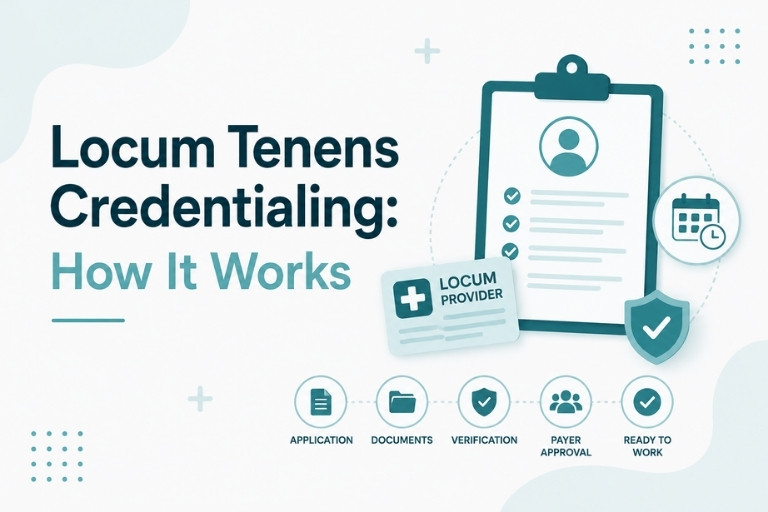
Locum Tenens Credentialing: How It Works

Locum tenens credentialing works differently from standard credentialing because a locum usually bills under the absent physician's identity, not their own. It keeps the schedule covered without waiting out a 90-day credentialing cycle, but it comes with a specific set of rules: the Q6 modifier, the 60-day limit, exclusion screening, and wide payer variation. Here's how it all works.
Hospital Privileging vs Payer Credentialing: What’s the Difference?

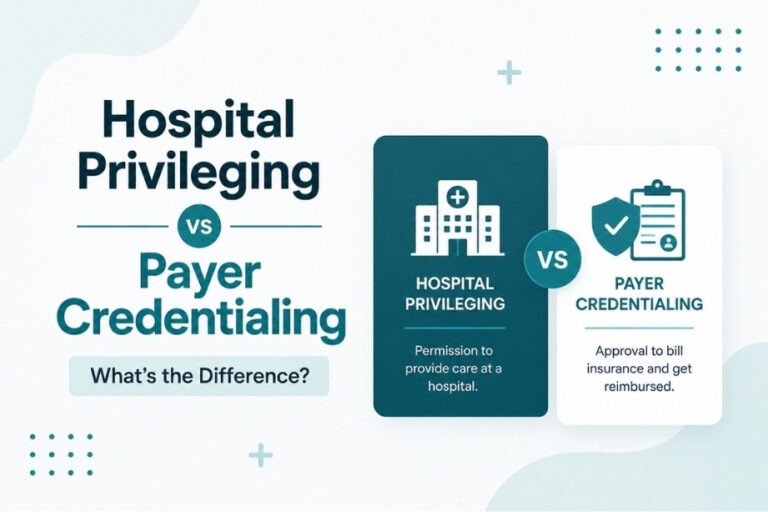
Hospital Privileging vs Payer Credentialing: What’s the Difference?

Payer credentialing and hospital privileging get used interchangeably, but they answer completely different questions. One determines whether an insurer will pay you. The other determines whether a hospital will let you perform specific procedures on its premises. A provider can have one without the other, and confusing them creates costly gaps. Here's how they differ and why it matters.
Do You Need Credentialing Software or a Service?

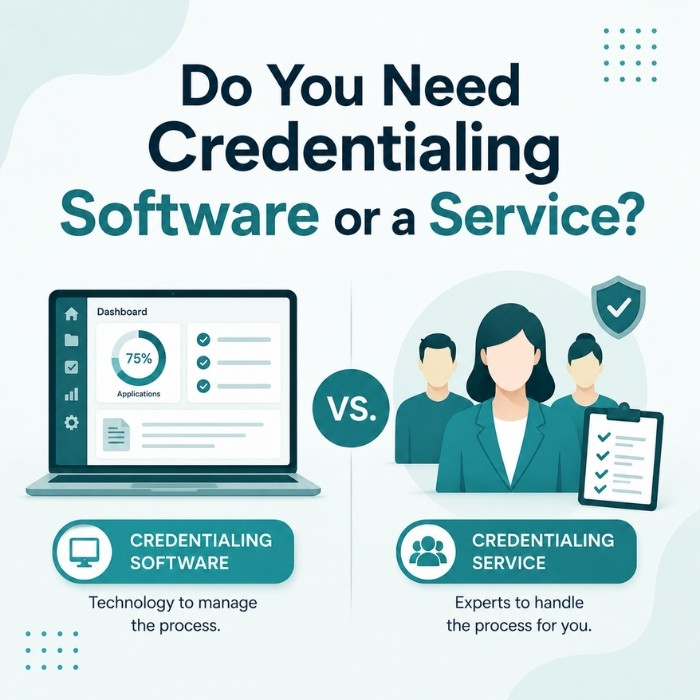
Do You Need Credentialing Software or a Service?

The software-versus-service question really comes down to one thing: whether you have credentialing expertise in-house. Software is a tool that makes a knowledgeable person faster. A service is a team that supplies the knowledge and does the work. Buying the wrong one is how practices end up paying for a platform nobody has time to run. Here's how to tell which fits.
Behavioral Health Credentialing: Why It’s Different and What to Watch For

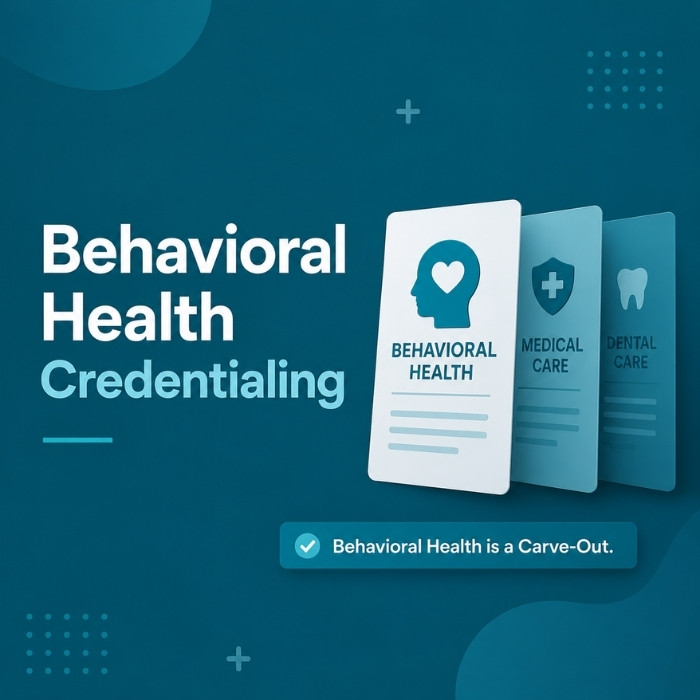
Behavioral Health Credentialing: Why It’s Different and What to Watch For

Behavioral health credentialing follows the same basic mechanics as any other credentialing, but a handful of differences make it harder, slower, and easier to get wrong: the carve-out structure most payers use, a thicket of license types that vary by state, supervision rules for associate-level clinicians, and separate substance use disorder requirements. Here's what makes it distinct and how a group should handle it.
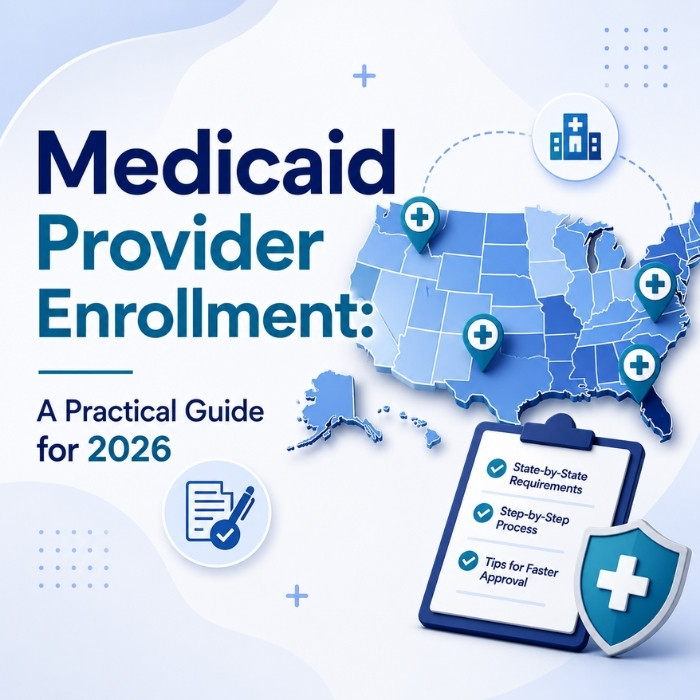
Medicaid Provider Enrollment: A Practical Guide for 2026

Medicaid Provider Enrollment: A Practical Guide for 2026

Medicaid provider enrollment sounds like it should mirror Medicare, but it doesn't. Medicaid is not one program, it's 50-plus separate programs, one per state, each with its own portal, forms, timelines, and quirks. This guide explains how it actually works, the federal rules that apply everywhere, where states diverge, and the 2026 revalidation push every Medicaid provider needs to be ready for.